Source Empty Pet Shampoo Bottles for Cosmetics, Medicine, and Personal Care
Compare 30 listings of Empty Pet Shampoo Bottles with pump closures and customizable options. Buyers can review capacities from 50ml to 1000ml, materials, and printing services for cosmetics, medicine, and personal care products.
Key considerations
Products List


Empty Clear 250ml 300ml 500ml Pet Plastic Shampoo Bottle with Lotion Pump
$0.15 - $0.20
MOQ: 10000 Pieces


Plastic Clear Pet Hair Oil Bottle Empty Travel Shampoo Packaging Bottle
$0.05 - $0.10
MOQ: 10000 Pieces


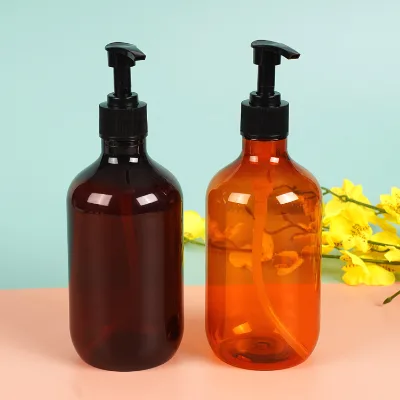


Comprehensive Sourcing Guide
Strategic Sourcing Guide for Empty Pet Shampoo Bottles
The global demand for sustainable and versatile packaging solutions has elevated the profile of empty PET (Polyethylene Terephthalate) shampoo bottles. For procurement professionals in the cosmetics, personal care, and pharmaceutical sectors, sourcing these containers requires a nuanced understanding of material properties, manufacturing capabilities, and supply chain logistics. This guide synthesizes observed market data and technical specifications to provide a disciplined framework for evaluating potential suppliers and securing high-quality packaging that aligns with brand standards and regulatory requirements.
Technical Specifications and Material Attributes
When evaluating Empty Pet Shampoo Bottles, the primary focus must be on the physical and chemical properties of the container. The core material, PET, is widely recognized for its clarity, strength, and recyclability. In the current market, these bottles are predominantly manufactured as round bottles, a shape that offers structural integrity and ergonomic handling for consumers. The observed product specifications indicate a diverse range of capacities, with standard offerings spanning from 50ml up to 1000ml. Specific volume benchmarks frequently cited include 100ml, 200ml, 300ml, 500ml, and 600ml, allowing buyers to select sizes that match their product formulations precisely.
A critical technical feature of these bottles is the closure mechanism. The majority of the observed inventory utilizes a pump-on design, specifically identified as a lotion pump or pump sprayer. This dispensing method is essential for controlling the flow of viscous liquids like shampoo and conditioners. The sealing type is consistently noted as a pump sprayer, ensuring that the contents remain protected from external contaminants. Furthermore, the bottles are designed with refillable capabilities, a feature that aligns with modern sustainability goals. Some product lines explicitly highlight "leak-proof" and "travel-friendly" attributes, which are vital for preventing product loss during transit and ensuring consumer satisfaction.
The surface finish of the bottles also varies, with matte finishes being a common aesthetic choice. This texture not only enhances the premium feel of the product but also provides a better grip for users. The physical dimensions are often standardized, with specific height measurements such as 120mm noted for certain models. Buyers must verify that the bottle dimensions align with their existing filling machinery and packaging lines to avoid operational bottlenecks.
Customization and Branding Capabilities
One of the most significant advantages of sourcing Empty Pet Shampoo Bottles is the extensive customization available. Suppliers in this sector typically offer robust support for branding, allowing companies to differentiate their products in a crowded marketplace. The customization options extend to the bottle shape, though the round profile remains the industry standard for structural reasons. More importantly, the surface of the bottle can be treated with various printing techniques.
Observed data highlights several printing methods, including silk screen printing, hot stamping, and painted finishes. These techniques allow for the application of custom logos and detailed graphics directly onto the bottle surface. Additionally, the use of labeling is a standard alternative or complement to direct printing. The "Customized" attribute is frequently listed, indicating that suppliers are willing to adapt the product to specific client requirements. This includes the ability to incorporate custom logos, which is a standard expectation for private label and branded goods.
The availability of samples is a crucial aspect of the customization process. Buyers can typically request small quantities, ranging from 1 to 5 pieces, to evaluate the quality of the print and the fit of the pump before committing to a large order. This "Sample: Provided" feature enables a risk-free validation of the design. Furthermore, the service level often includes 24-hour online support, ensuring that any technical queries regarding customization can be addressed promptly.
Cost Drivers and Order Parameters
Understanding the cost structure of PET shampoo bottles is essential for effective budget management. The price range observed in the market is relatively accessible, with unit costs falling between $0.05 and $0.80 USD. However, this wide range is heavily influenced by the complexity of the design, the volume of the order, and the specific customization requirements. A simple, unprinted bottle will naturally sit at the lower end of this spectrum, while a matte-finished bottle with multi-color silk screen printing and a custom pump will command a higher price.
The Minimum Order Quantity (MOQ) is another critical factor that impacts procurement strategy. The data reveals a significant variation in MOQ requirements, ranging from as low as 1,000 units to as high as 10,000 units. Some suppliers may offer a baseline MOQ of 5,000 units, while others might require a commitment of 10,000 units to unlock the most competitive pricing tiers. Buyers must carefully assess their inventory needs and cash flow constraints against these thresholds. For smaller brands or those testing new product lines, finding a supplier with a lower MOQ is often the primary challenge.
Lead times and production schedules also play a role in the total cost of ownership. The typical finish time for production is observed to be around 15 days. This timeline includes the manufacturing of the bottle, the application of any custom printing or labeling, and the final packing. Buyers should factor in this lead time when planning their product launches to avoid stockouts. The standard packing method involves an inner tray and a PE bag, followed by a standard packing carton, which ensures the bottles arrive in good condition.
Compliance, Certification, and Safety Standards
While the core product facts do not explicitly list specific certification statuses for every item, the procurement of packaging for cosmetics and personal care products inherently requires adherence to strict safety and quality standards. The intended usage of these bottles includes medicine, cosmetics, and personal care products, which necessitates that the material be non-toxic and safe for contact with human skin and hair.
Buyers must verify that the PET material used meets relevant international safety standards for food and cosmetic contact. Although specific certification marks like CE were noted in background data, they should not be assumed as a universal fact for all listed products without direct verification from the supplier. The responsibility lies with the buyer to request current compliance documentation, such as a Certificate of Analysis (CoA) or a Declaration of Conformity, to ensure the bottles do not leach harmful substances into the product.
Additionally, the "Refillable" and "Sustainability" attributes observed in the product descriptions suggest that these bottles are designed to support circular economy initiatives. Buyers should inquire about the recyclability of the specific PET grade used and whether the bottle design facilitates easy recycling by the end consumer. Ensuring that the packaging aligns with local environmental regulations is a key component of a compliant sourcing strategy.
Supplier Evaluation and Quality Control
Selecting the right supplier is as important as selecting the right product. The market data indicates that suppliers are located in regions such as China and Anhui, which are major hubs for plastic manufacturing. When evaluating potential partners, buyers should look for suppliers who demonstrate transparency in their production processes and offer clear communication channels. The presence of "24 Hours Online Services" is a positive indicator of responsiveness.
Quality control should be a central part of the supplier evaluation process. Buyers must verify the supplier's ability to maintain consistent quality across large batches. This includes checking for defects in the molding process, ensuring the pump mechanism functions smoothly without leaking, and confirming the durability of the printing. The "Leak-proof" feature is a critical quality metric that should be tested, especially for travel-sized bottles.
A robust quality control protocol should include pre-production samples, in-process inspections, and final random inspections before shipment. The ability to provide samples for testing is a standard practice, but buyers should also request a quality assurance plan that outlines how defects are handled. The "Standard Packing Carton" and "Inner Tray+PE Bag" suggest a focus on protecting the product during transit, but buyers should verify that the packing density and materials are sufficient to prevent crushing or damage.
Long-Term Procurement Considerations
Sourcing Empty Pet Shampoo Bottles is not merely a transactional activity but a strategic partnership that impacts the brand's long-term viability. The "Global" market reach of these products suggests that supply chains are well-established, but buyers should still consider the geopolitical and logistical risks associated with international trade. Diversifying the supplier base can mitigate the risk of supply disruptions.
Sustainability is a growing priority for consumers and regulators alike. The "Refillable" nature of these bottles offers a significant opportunity for brands to reduce their environmental footprint. Buyers should explore the potential for implementing refill programs or using recycled PET (rPET) materials if available. The "Application: Storage of Other Liquids/Sustainability/Refilling" attribute highlights the versatility of these containers, which can be leveraged for future product line expansions.
Finally, the scalability of the supply chain is crucial. As the brand grows, the ability of the supplier to increase production volumes without compromising quality or lead times will be tested. The observed MOQ ranges suggest that suppliers are prepared to handle large orders, but buyers should confirm the supplier's capacity to scale up production during peak seasons. Maintaining a strong relationship with the supplier, supported by clear communication and mutual trust, will ensure a steady supply of high-quality packaging that meets the evolving needs of the market.
Summary of Key Product Attributes
To assist buyers in quickly comparing the observed specifications, the following table summarizes the core attributes found in the market data.
| Attribute Category | Observed Specifications |
|---|---|
| Material | Plastic (PET) |
| Shape | Round Bottle |
| Capacity Range | 50ml - 1000ml (Common: 100ml, 200ml, 300ml, 500ml, 600ml) |
| Closure Type | Pump-on (Lotion Pump / Pump Sprayer) |
| Features | Refillable, Leak-proof, Travel-friendly |
| Surface Finish | Matte |
| Printing Options | Silk Screen, Labeling, Hot Stamping, Painted |
| Customization | Available (Logo, Size, Color) |
| Sample Availability | 1-5 PCS |
| MOQ Range | 1,000 - 10,000 Units |
| Lead Time | Approx. 15 Days |
| Packing | Inner Tray + PE Bag + Carton |
| Origin | China (including Anhui) |
| Usage | Cosmetics, Personal Care, Medicine |
This table serves as a reference point for buyers to ensure that the products they are considering align with their specific technical and operational requirements. By adhering to these observed facts and conducting thorough due diligence, procurement professionals can secure a reliable supply of Empty Pet Shampoo Bottles that enhance their product offerings and support their business objectives.
FAQs
What customization options are available for Empty Pet Shampoo Bottles?
Customization is available for logos, colors, and sizes. Suppliers support silk screen printing, hot stamping, and labeling to match brand needs, with options for matte finishes and specific capacities ranging from 50ml to 1000ml.
Can I get samples before placing a large order for these bottles?
Yes, samples are provided to evaluate quality and print accuracy. Buyers can typically request between 1 to 5 pieces to test the refillable design and pump mechanism before committing to the minimum order quantity.
What is the typical lead time for producing custom pet shampoo bottles?
The standard finish time for production is approximately 15 days. This timeline covers manufacturing, applying custom printing or labeling, and packing the bottles in cartons with inner trays and PE bags for safe transit.
Which capacity sizes are commonly offered for Empty Pet Shampoo Bottles?
Standard capacities range from 50ml up to 1000ml, with common sizes including 100ml, 200ml, 300ml, 500ml, and 600ml. Specific models may also offer 120mm height dimensions to fit various filling machinery.
How do I ensure the bottles are leak-proof for travel use?
The bottles feature a pump-on closure type with a pump sprayer sealing mechanism designed to be leak-proof. This ensures contents remain protected during transit, making them suitable for travel-friendly applications in personal care.
What is the minimum order quantity for sourcing these plastic bottles?
Minimum order quantities vary between 1,000 and 10,000 units depending on the supplier and customization level. Some vendors require 5,000 units as a baseline, while others may set the threshold at 10,000 for competitive pricing.
Where are the manufacturers of these Empty Pet Shampoo Bottles located?
Manufacturers are primarily located in China, with specific production hubs noted in Anhui. These regions are major centers for plastic manufacturing, offering global market reach and established supply chains for cosmetic and personal care packaging.